9 May 2017

Mesila

What is Mesila?
Mesila is dedicated to empowering men, women and children in the community to seek,
achieve and maintain economic self-sufficiency and stability.

The Need
Many families struggle to make ends meet – even those earning what is generally considered
a decent livelihood. Left unchecked, this can have negative effects on relationships, both in
terms of the marriage and with children.

Furthermore, financial mismanagement drains communal resources, by creating dependence
on handouts and food packages, or through unpaid school fees.

The Solution
We have developed a successful coaching service to help families gain a detailed
understanding of their current financial situation, identify a plan for improving their situation
and implementing the plan, all carried out through a series of 6 meetings with a trained
coach.

Our Objectives:
Our objectives are to enable couples to gain a detailed understanding of their current
financial situation, and to identify a realistic plan for improving that situation.
Finally, by implementing that change, the ultimate objective is to increase the amount of
disposable income available each month, and to give a sense of clarity and tranquility on all
matters to do with home finances.

Innovative
Though there are many charities that support families through handouts or other types of
financial support, our philosophy is that the main problem is not a lack of money, but rather,
a lack of expertise in handling money. Our service does not seek to provide a mere Band-Aid, we try to solve the issues at their root, by enabling people to create a plan that suits their needs.
Furthermore, our service differs markedly from debt counseling services that exist in and
outside the community. Ours puts the couple in control, as opposed to giving advice. Also,
Mesilla is relevant for people at all levels of the earning spectrum and a range of life-situations,
not just those in debt.

Our Budget
Our annual budget is £80,000. We procure funding from public and private trusts & foundations,
but we rely upon the community to contribute as well. We are looking for partnerships
from those who value not just social welfare projects, but projects with a ‘return on investment’
– stronger families means a stronger community.

We invite you to join us with any donation, by contacting:

Mesilla UK,
admin@mesilauk.org
0333 344 1711
Account number: 60069779 – Sort code: 20-36-47


Talmudic Encyclopedia


The Talmudic Encyclopedia compiles, summarizes and explains the vast range of Torah knowledge on every topic in Jewish law, from Biblical times to the present, and is used by a wide range of people. 

Precise and comprehensive, the Talmudic Encyclopedia is accepted and respected by study groups, academics, Rabbinic and Yeshiva scholars on the entire spectrum of Torah learning throughout the world. It is noteworthy that Israel’s civil court system utilizes the Talmudic Encyclopedia in the process of reaching verdicts.

The Talmudic Encyclopedia is accessible not only to scholars, but to anyone who wants to understand concepts within the vast world of Torah knowledge. In recent volumes, detailed illustrations, charts, and diagrams enhance many entries.

Combining traditional Jewish Studies with state-of-the-art modern technology:
We are planning to create a series of interactive websites so that the work of several generations of Jewish scholars can be made available for study and commentary by the widest possible readership, including a Wikipedia-style format for entries from the public.

We invite you to join us with any donation, by sending your check to:

British Friends of the Talmudic Encyclopedia
c/o Dr. E. Kahen
14 Green Lane
London, UK
NW4 2NN

Or via bank transfer to:

HSBC Bank, Sort code: 400311
Account number: 21686445
897 Finchley, Rd.
Golders Green, London UK
NW11 7NX

If you would like to consider sponsoring the publication or reprinting of a volume, send us an email to office@e-tal.org.

Sponsorship of Reprints: 
Due to high demand, we plan to reprint the current set of 37 volumes in the near future. The sponsorship cost of each volume is $10,000 for 1,000 copies.

Sponsorship of Special Volumes: 
In addition to the ongoing volumes, we have published volumes on specific topics such as the Passover Haggada, Yom Kippur Machzor, Chanuka, Jerusalem and the Temple and others. The cost of sponsoring such a volume with 1000 copies is $25,000

Other sponsorship opportunities are available - be in touch for more details.

With many thanks,
Benny Gur
Director of Resource Development

office@e-tal.org
http://talmudit.org/

Like us on Facebook

Campus Strauss- Afikei Lomda


“There are eight levels of charity and the greatest level, above which there is no greater, is the support to enable a fellow Jew to no longer need to be dependent upon others.”           
      - Maimonides 

Campus Strauss is the Haredi campus of Hadassah Academic College (HAC). Located on Strauss Street in Jerusalem, the heart of Jerusalem's ultra- orthodox neighborhoods, Campus Strauss offers HAC's marketable professions in a culturally compatible atmosphere.

Campus Strauss- Afikei Lomda is the product of successful collaboration between Hadassah Academic College and Lomda Institute.

Hadassah Academic College is a unique educational institution affording students a world class, career-focused education. Recognized and accredited by Israel's governing body for colleges and universities, the Council for Higher Education, the College offers undergraduate and graduate degree programs leading to in-demand professions in fields including health sciences and life sciences, and information and computer technology, communication, design, management and more.

Lomda Institute is Jerusalem's premier vocational training center. Since 1992, Lomda has trained over 10,000 Haredi men and women in various field of professions. Lomda identifies with the particular concerns of the ultra-orthodox sector and designs its programs concurring with the Haredi lifestyle and values. By empowering Orthodox Jews with effective vocational skills, Lomda is creating a ripple-effect transformation on Israeli society: more and more Haredim are entering the workforce, earning a respectable living and achieving financial independence.

In 2011, the Ministry of Education proposed an offer to Institutions of Higher Education throughout Israel to open separate campuses for Haredi students and offer the same degrees that are available to the secular public. 

The campuses- referred to as MAHAR (Hebrew acronym for Misgeret Haredit- ultra-orthodox institution and translated "tomorrow" or "future") must be physically located close to the home college and offer its curricular, lecturers and academic experience to Haredi students in a suitable atmosphere.

As a result of this bid, Lomda partnered with HAC, thus forming Campus Strauss. As of 2017, the Campus offers bachelor degrees in biotechnology, optometry, communication disorders, management, politics and media, and computer sciences. 700 students are enrolled in academic studies and 150 students are studying in the pre-academic program (Mechina).
Internship and Job Placement.

Campus Strauss' goal is to successfully assist all the student to gain employment upon graduating. The Career and Job Placement Center helps students cross the final bridge to employment upon graduating by offering workshops on workforce preparation, individual support and initiating and maintain dozens of employer connections.

Scholarships and Student Loans: 
As most of our students come from the low-income sector and face financial challenges, an integral part of the Campus' work is assisting them in obtaining scholarships and student loans that subsidize their studies.

The Campus is seeking funding for scholarship support for the students who cannot support themselves while studying full time. 


Credit card or PayPal donations can be made via IsraelGives.org secure payment system. Or search for Campus Strauss -Afikei Lomda, non-profit #580573384

Donations can also be sent to:

UK Gives Ltd.
Charity Number: 1161366
Bank Name: Lloyds
Account Number: 39408560
Sort code: 771703

For more information about supporting our students, please contact:
Ayala Feivelson
Resource Development, Director
ayala@scampus.co.il
+972-732166307
Strauss 24, Jerusalem, Israel

Thank you for your support!

Temech: Tapping Israel's Potential


Israel’s ability to succeed as a viable, thriving economy is predicated by the ability of all sectors of its population to engage, integrate and advance in their economic mobility.

Within the Israeli population, the ultra-orthodox sector stands out as more vulnerable, marginalized and disadvantaged. This population in Israel is one of the poorest sectors in the country. Often, core competency skills are lacking, which prevents them from finding employment and even from participating in professional training. Without these skills, the quest for employment and financial stability become a self-defeating cycle of despair. Moreover, employers lack the necessary tools to recruit, employ and integrate ultra-orthodox employees. Unfortunately, due to lack of academic accreditation, large average family size, and religious and cultural limitations, ultra-orthodox women often find it difficult, if not impossible, to earn a sufficient income.

Established in 2005, Temech’s mission is to enable, empower, and train ultra-orthodox women in Israel to maximize their employment opportunities. 

With varied projects and programs, Temech offers a full range of support to job seekers and entrepreneurs from the community, such as:

  • Employment Training, 
  • Professional conferences and workshops, 
  • Mentors and individualized support, 
  • A professional forum,
  • Job fairs
  • A professional working Hub. 
By working closely with employers, policy makers, government and key institutions such as the Ministry of Economics, the Joint Distribution Committee and the National Health Insurance Fund, over 13,000 women in 20 cities have advanced their employment opportunities through Temech to date and are creating a positive impact on their communities and Israel.

Funding is sought for its Hub for helping Haredi women open small businesses, and for its employer-based training programs with guaranteed jobs for graduates.

We invite you to join us with any donation, by sending your check to:
UK Toremet Limited
Shenkers LLP
4th Floor, Sutherland House
70/78 West Hendon Broadway
NW9 7BT
London UK

Or via bank transfer to:
UK TOREMET LIMITED, Account type: NWDBB CURRENT
Account number: 1 9 2 1 1 3 3 3, Sort code: 6 0 - 2 4 - 7 7, Bank address: PO Box 4115, Hornchurch, Essex, RM12 4DF.


Like us on Facebook

Thank you for your support!

Bridging the Divide: Abu Tor/ el-T'hori Good Neighbors


The neighborhood of Abu Tor/el-Turi straddles the “seam” between East and West Jerusalem. During the past two years, a group of Jewish and Arab volunteer residents initiated joint action to better the neighborhood.

This is a model project with the potential to prove that Israelis and Palestinians can live together in an undivided Jerusalem.

We seek your support to increase our Hebrew/Arabic Language Study: 
Language instruction by 12 Jewish and Palestinian resident teachers to double our weekly classes to 120 students and continue our successful pilot of the "Language Café" -  for language practice/socializing.

We seek your support for our Jewish/Arab Boys Soccer Team:
Coached by two Palestinian residents, funds would enable us to open a second team for the 14-16 year olds, a tough age at which if they are not kicking the ball to a teammate on the field, they might well be kicking each other off the field. In addition, we wish to add a second day for a combination short practice and guided joint social/educational activity, including some with parental involvement to foster communication off the field.


We seek your support to plant and harvest in our joint Community Organic Garden:
The garden was planned jointly and would enable the involvement of various age groups (children and families, seniors, special needs, and others) in the growing process.

We seek your support for our Grass Roots Economic Development/ Community Services Project:
This will enable us to develop the social media mechanisms to foster local commercial transactions which will provide needed income, services and the development of additional interpersonal relations.

We seek your support to enable us to run the Women's Empowerment Forum with special events for women on women's issues and for our Early Childhood Initiative and Family Community theater /monthly events.

We seek your support to establish a multi-lingual website and Facebook page, and to complete editing hours of video footage and interviews into short videos for sharing our vision and model with other neighborhoods and cities, as well as for fundraising purposes.

Like us on Facebook and see the faces of our community based on common needs.

UK contributions can be made to:

UK Friends of the Jerusalem Foundation
Administered by Prism the Gift Fund
20 Gloucester Place
W1U 8HA
London UK
Tel: 44-020-7009-9649.

Please make sure that you designate your gift for the Baka Community Council's Abu Tor Good Neighbors Project.

25 July 2016

Help Me do my 67th Birthday Mitzvah

Dear Friends,


For my 67th Birthday, in lieu of gifts, I am asking that you consider making a contribution to the Abu Tor - Al-Tori Good Neighbor's project that Alisa and I have been working on intensively over the past two years. I'm posting the project description below for you to read about Hebrew and Arabic language classes, Arab-Jewish youth soccer, joint community organic garden, an economic development project, and more.

Here are the details for contributions: 
Contributions entitling 35% tax credit can be made in Israel by making checks out to Minhal Kehilati Baka Rabati and given to Alisa Maeir Epstein at 11 Asael St. in Abu Tor, Jerusalem, 93225-31 Israel (alisa@maeir.com) with a note designating the contribution for the Abu Tor project. For bank transfer information, credit cards or tax deductible contributions from the U.S., Canada or the UK, message us for directions.

Photo of Abu Tor by Gilabrand 
at English WikipediaCC BY 3.0
Thanks for your consideration of doing this Mitzvah,
Dave


*************************************

Greater Baka Community Council

A Nonprofit Organization Registered in Israel 

Against the Tide:  A Bridge over Troubled Waters in Jewish/Arab Abu Tor

Creating Community Focused on Issues of Common Concern 

Woroud, volunteer Arabic teacher

The neighborhood of Abu Tor in Jerusalem is actually divided into two neighborhoods – Jewish and Palestinian. The residents of the two neighborhoods have minimal contact due to the political conflict and differences in culture and language. The objective of the "Good Neighbors Abu Tor/el-Turi" Project is to create positive neighborly relations between Jews and Arabs in Abu Tor as a counterbalance to the acts of violence and counter-violence which have erupted in Jerusalem. Following two years of activity, this grassroots project constitutes a unique phenomenon in the co-existence scene in Jerusalem and has been cited as a groundbreaking model to be developed and reproduced in other neighborhoods in the city.


The project is a joint initiative of Jewish and Palestinian residents with the aid of the Community Councils of Greater Baka (West Jerusalem) and el-Turi (East Jerusalem) and with the cooperation of the Residents’ Committee of Arab Abu Tor. The Community Councils are representative agencies to which the municipality turns to determine the needs of the residents within the neighborhood concerning physical, social and culture issues. The role of the Community Council is to identify the needs of the population it serves on the levels of the individual, the family, and the community and to address these needs. Moreover, the Council plans and designs community policy while determining priorities. The Council is also responsible for fundraising and the utilization of these funds for the good of the residents. Side-by-side with the elected resident representatives sit professional staff of the municipality and the Council director. The Baka Council also benefits from student interns studying Community Organization at the Baerwald School of Social Work of The Hebrew University.

The Community Council of Greater Baka serves residents living in six neighborhoods:  Western Abu Tor, Baka, Talpiot Housing Projects, Talpiot-Arnona, North Talpiot and Mekor Hayim. The Community Council of el-Turi serves residents living in Eastern Abu Tur, Silwan, and Ras el-Amud. The total population of Jewish and Arab Abu Tor comprises about 18,000 people. The target population of this project is the 5000 Arabs and Jews who live in the streets along the seam between the two neighborhoods.  The 2015 budget of the Council was $2.67 million.
Young families meet in the park 

Against the background of the increase in extremist and violent elements in Jerusalem, we believe that this project constitutes a necessary alternative in the public arena. During the past two years, a group of Jewish and Arab residents from both neighborhoods has met with the aim of acting jointly to advance the neighborhood while promoting good neighborly relationships. We have received expert consulting from the Intercultural Center, Jerusalem, as regards cross-cultural community development. The first steps involved improvements in infrastructure executed with the aid of the Baka Community Council – speed bumps, garbage pails and renovating 2 parks and the sports field. The residents' steering committee then consolidated a number of avenues for action which were developed over the past year and a half and for their expansion and advancement we seek funding:


1. Common Neighborhood/Common Language Program: Language Study as a Bridge

Between March– August 2015, 16 Arab women living on the seam between the two neighborhoods successfully completed a Hebrew language pilot course taught by three volunteers from Jewish Abu Tor. As a result, the program was expanded and during October 2015 – July 2016, the following classes taught by 9 Jewish and 4 Palestinian volunteer residents took place:
Language program teachers

Hebrew – continuing class for 16 women
Hebrew – beginners’ class for 20 women
Hebrew – beginners’ class for 3 women

Arabic – beginners’ class for 18 men and women
Arabic – advanced spoken language practice for 5 men and women


Friday's Arabic course

Language Cafe - women meet for
language practice and socializing
Volunteer Hebrew teacher
In March 2016, we organized our first “Language Café” bringing together 22 Jewish and Arab women for language practice, brunch and socializing. At the end of this activity, all reported satisfaction and agreed that they wanted to continue this type of meeting. In June 2016, our Hebrew University student intern created a survey based on questionnaires to assess students’ experiences throughout the year and specifically of the Language Café. We plan to take advantage of this information in our planning process.

In October 2016, we plan to continue with this year’s courses and adding the following according to local demand: A men’s Hebrew course emphasizing reading, writing, and grammar, a young girls’ Hebrew course taught with games and activities, and an additional beginners’ Hebrew course for women.

All together we anticipate about 120 students. Each study group will receive instruction from a team based on one main teacher and two resident volunteers. The girls’ class will be led by 2 Palestinian resident volunteers and by a Sh’nat Sherut volunteer (youth movement graduate) from the Movement of Masorati Judaism in Israel. The Hebrew teaching teams will be accompanied by Medabrot Ivrit (Hebrew Speakers) a Jerusalem-based voluntary group which has experience teaching Hebrew to Arab women. The Arabic teaching teams will be accompanied by The Inter-Cultural Center Jerusalem which is noted for its excellent Arabic instruction.

We will conduct about 10 bi-cultural events during the year, as well as graduation celebrations/outings. Due to the success and volume of the program, we have hired a part-time coordinator who will also help with curriculum development. The Funding is needed to rent an appropriate space for the 8 groups, to hire 7 main teachers and the coordinator, for teaching materials, games, art supplies, and refreshments, translating services and special events.

2. Sports and Enrichment for Boys:


Shimon, Taha and Muhamed - dedicated
organizers and coaches of the boys' soccer team
There is an absence of after-school enrichment and educational programs for Arab children living in the streets on the seam between the two neighborhoods. Tension has risen on occasion amongst Jewish and Arab children and youth in the public spaces. Moreover, in the past, Arab youth utilized the mentioned above renovated sports field for informal soccer practice. Based on these facts, a team of Jewish and Palestinian volunteer residents organized a soccer club for 22 boys ages 9-12, half of them Arab, half Jewish.

The weekly practice which has been running since February 2016, is led by two excellent young coaches from Arab Abu Tor who have now begun to receive compensation for their time.  A local resident donated uniforms, sports bags, and equipment. We now observe that the boys even meet outside the formal practice hours.

Soccer practice at the Abu Tor
 soccer club for boys 9-12 years old
This year the club plans to compete in the citywide tournaments. In addition, we plan to add a Sh’nat Sherut volunteer (youth movement graduate) from the Movement of Masorati Judaism in Israel who will provide educational/social enrichment employing ODT techniques (Outdoor Training). During inclement weather conditions, the boys will meet indoors and study field plays/watch recorded games. We require funding for the coaches, training equipment, winter rental, transportation and supplies

3. Neighborhood Co-existence Street Festival (Spring 2017) Art Event (September 2016)
A steering committee is now planning a Co-existence Street Festival for Spring 2017 in cooperation with the Greater Baka Community Council, The Arab-Jewish YTheater Group and the Residents’ Committee of Arab Abu Tor. The five-hour fair will bring together Palestinian and Jewish families with a stage for performances of local musicians, tables of handcrafts for sale, food, logo T-shirts and community theater. Several public spaces have been identified as locations for the joint creation of community art.

An additional community event is planned for September 20, 2016, in conjunction with the Jerusalem Festival for Contemporary Art. The Festival is preparing an art happening around the theme of “Abu Tor Stories” which will take place in the homes of five Jewish residents and five Palestinian residents, created by five Jewish artists and five Arab artists (see: http://manofim.org). Residents of the neighborhood will contribute in various ways to the event: music, theater, open homes and a peak into the co-existence activities presently taking place in the neighborhood. We request funding for these two events for the stage, sound system, tables, staff (Coordinator, Community Art Artist, Theater Artist), publicity, mandatory security, and materials).

4. Neighborhood Organic Garden 
Following a process which facilitated the participation of Jewish and Arab residents in the decision-making regarding the development of the playground below Ein Rogel Street known as the "Park for the Blind", it was decided to allocate land for a joint community organic garden open to residents. The garden will be run by the Baka Community Council and with the residents in cooperation with environmental NGO's such as Mahapach Yarok and the city's Department of Community Gardens. Residents have begun to decide how to manage the garden and distribute the produce and are receiving consultation regarding development, composting and farming methods. We are planning a weekly gardening club for children for Autumn 2016. Several public events will be held during the year for the Jewish and Arab residents of the area.  Funding is needed for the development of the space, equipment, seedlings, a watering system, fencing materials for the children’s club and a part-time coordinator.

5. Grass Roots Economic Development/Community Services Pool
We seek funds to create a data base of Jewish and Arab residents of the neighborhood who have skills and small businesses which are marketable to local residents of the neighborhood and beyond. We know of many electricians, carpenters, mechanics, gardeners, taxi drivers, therapists in a wide range of alternative healing approaches, seamstresses, lawyers, tax advisors, caterers, crafts-persons, musicians, child-carers, translators, tutors of a variety of subjects, small businesses such as convenience stores, pharmacy, etc. A steering committee composed of Jewish and Arab residents, and representatives of NGO's with expertise in the area will determine the methodology of matching consumers and providers of these services whether by simply providing channels for matching providers of service with consumers, by assisting in marketing and communication or in the format of bartering such as a "Time Bank".

6. Media and Virtual Tools
A prize winning Israeli documentary film producer/director has offered to create a 6 minute video film about the project at cost without profit. This will enable us to share our vision with other neighborhoods in the city, striving to broaden the moderate consensus in Jerusalem and contributing to it becoming a more tolerant environment.  As well, it will be helpful for PR and fundraising. In addition, we plan to develop a tri-lingual Facebook page and eventually a website to publicize our activities, keep in touch with residents and showcase the project. We require funding to cover the costs of the video production, to translate Facebook posts and to hire a young resident to build the website.

David teaches "Old McDonald"
 in Hebrew and Arabic
7. Additional Programs

Other programs which have been developed include:

"Coffee with the Neighbors,"- once-a-month alternating between Jewish and Palestinian Families.

Young Families Initiative – The team began with a picnic in June and plans a bi-lingual play (a donation), art activities, a clown performance, sports and a happening in cooperation with the citywide non-profit HaT’nua HaYerushalmit dedicated to creating pluralism in the city. We require funding for equipment and materials, refreshments, publicity and translations.

Joint Yoga – once a week with a resident volunteer teacher. We require funding for rent and equipment.

Abu Tor Women’s Forum – A steering committee is now planning how to bring together Jewish and Palestinian women to become active jointly in a project to benefit themselves and/or the neighborhood. We will also have 3 events throughout the year for the participants according to their choices, based on common interests.

Contacts:
Fax: 02-6718291 Tel: 02-6734237, 3 Issaschar St. Jerusalem 93629 baka@matnasim.org.il •
Contact - David Maeir-Epstein, volunteer Board Member dave@israelgrants.com (+972)54-487-226


Expenses

Income


16 February 2016

לעמותת עתיד במידבר בירוחם דרוש/ה מנהל/ת כללי/ת

http://www.bamidbar.org/


עתיד במידבר עוסקת בחיבור קהלים שונים סביב מכנה משותף של תרבות יהודית-ישראלית בגישה פלורליסטית ואזורית, תוך שת"פ עם גורמים רבים.


פרטים על פעילות העמותה

דרישות התפקיד:
    ניסיון ניהולי של 5 שנים לפחות, יתרון – ניהול עמותה
    יכולת מוכחת בניהול תקציבים בסדר גודל של כ-3 מיליון ₪ לפחות - הכנת דוחות כספיים ויישום תהליכי בקרה וניהול חשבונאיים, הבנה כלכלית בתהליכי תמחור וחישוב עלויות
      ניסיון בתהליכי גיוס ודיווח של תמיכות ממשלתיות
     יכולת בסביבת עבודה דינמית מול מגוון גורמים- ועד מנהל, אסיפה כללית, צוות הנהלה, בנקים ותורמים
      ניסיון בשיתופי פעולה עם גורמי ממסד, חברה אזרחית, מגזר עסקי
      יכולת חשיבה אסטרטגית, בנייה ובקרה של תוכניות עבודה
      יושרה אישית ויחסי אנוש מעולים, כישורי ניהול גבוהים ויכולת עבודה בצוות, יכולת הובלת תהליכים פנים ארגוניים וחיצוניים
      תואר ראשון לפחות. עדיפות לבעלי תואר מתקדם
      יכולת ביטוי גבוהה בכתב ובעל פה בעברית ובאנגלית
      חיבור לערכי הארגון עניין ואמונה בתחום זהות יהודית וישראלית
      הכרות עם ארגוני ההתחדשות היהודית- יתרון
    מגורים בירוחם
      משרה מלאה, נכונות לעבודה בשעות לא שגרתיות


    מסגרת התפקיד:
    תחילת תהליך חפיפה במשרה חלקית - מרץ 2016
    כניסה לתפקיד - יולי 2016
    קורות חיים יש לשלוח בדואל לכתובות

    רק מועמדים מתאימים ייענו. המתאימים יוזמנו לראיון וידרשו לספק לפחות שתי המלצות

    8 February 2016

    Atid Bamidbar is seeking an Executive Director for a full-time, in-house position in Yeroham


    Atid Bamidbar, a non-profit organization located in Yeroham, connects Jews with each other and with Jewish heritage in creative ways, promoting cultural, educational, communal and tourism initiatives.

    Job Description:

     •Development and integration of strategic plan and follow up on implementation
     •Management of organizational budget, building and overseeing of annual budget and cash flow
     •Ongoing management of staff, meetings, building individual work plans, follow up and implementation
     •Maintenance of communication and relationship with Board
     •Initiation of new directions for the organization to expand activity and resources
     •Development of strategic partnerships and managing relationships between the organization and its partners including government agencies

    Experience and Skills Required:

     •At least 5 years of managerial experience including managing a budget of at least 3 million NIS
     •Experience with raising government funds and working with government agencies
     •Ability to work in a dynamic environment- with the Board, staff, banks and donors
     •Experience in creating partnerships with the business sector and community
     •Personal integrity, excellent interpersonal skills, ability to lead processes within an organization
     •Academic degree
     •Strong verbal skills in English and Hebrew
     •Familiarity with Jewish renewal organizations and interested in the field of Jewish identity
     •Residence in Yeroham

    Work to start in June 2016, with part-time training beginning in March.

    Please send CV’s to hadasreis@bamidbar.org; or office@bamidbar.org

    Only relevant candidates will be contacted.

    5 January 2016

    My experiences on the IsraelGrants Course and Internship

    by Suzy Lieberman


    As a professional in the non-profit sector for a number of years, I had been been looking for a course in resource development to help me improve my skill set, professional "toolbox" and career options. Last year, when I learned about Israelgrants's Jerusalem course, I signed up right away, sensing that this was just the venue I had been seeking.

    The content and presentation of the grant writing and fundraising course by David Maeir-Epstein from IsraelGrants was consistently high quality and engaging. Each session provided an excellent review of the challenges and opportunities in the non-profit world together with practical suggestions.

    The course was very well structured and highly inclusive, and not only did I gain a lot of knowledge, I was also inspired to rethink the way I plan and present my work. The course is really applicable to the day-to-day work in the third sector, and extremely worthwhile to anyone interested in this field.

    Following this course I spent a couple of wonderful months being mentored by David, working with him and his team as an intern. This exposed me to many ‘real life’ situations, where I was able to put into practice all that I had learned. David was accessible at all times to answer questions, advise on how best to approach a fundraising situation and set me challenging, meaningful projects.

    I would recommend the course and the intern program to anyone looking to improve their fundraising and grant writing skills.

    Thank you!
    May you continue to go from strength to strength,
    Suzy

    Time to Hire Someone New?

    Guest Post, by Gila Weinberg

    While IsraelGrants specializes in placements for resource development positions, Gila Weinberg deals in general employment placements, especially for nonprofits. We are happy to invite her to share her experience here.


    Gila Weinberg, CEO of Mikum Consulting , is a Human Resources consultant and a career coach. She helps organizations find great employees, and helps great professionals figure out their next career move.         
    gila@mikumconsulting.com   0509151625   linkedin.com/in/gilaweinberg
    ----------------------------------------------------------------------------------------------------------------------

    It started out great. Sarah joined our team full of motivation, she had the experience in the field to hit the ground running, and I felt that I could trust her to do her job independently. For the first year, Sarah was all that I had hoped: professional, committed and a great team player. What a great hire! I was delighted.

    And then things started to change. Sarah began to be late with her deadlines, and to show up late to work. She seemed sluggish, unmotivated, even sloppy. I began to get the definite feeling that she was no longer engaged with her job and with our organization. I began to wonder: should I be letting Sarah go?

    Does this scenario sound familiar? Were you Sarah in this case, or were you her boss?

    If you were Sarah, you might know what occasioned the change. It might have been an issue outside of work, like a family illness or marital discord; it might have been a feeling that you had outgrown this job and were ready to move on. Or perhaps you were not even sure why your feelings about your job had changed.

    If you were the boss, you were probably wondering what had happened to cause this downturn in Sarah’s performance, and you were probably feeling that no matter what the reason, it may be time to let Sarah go and bring in someone new.

    I am a headhunter: I help organizations and companies find great employees. But replacing an employee whose performance is disappointing is not always the right solution. If you face this kind of situation now, it might be the right time to bring in a new hire; but here are some things to consider first.

    Is your employee using his/her talents?

    What makes people excited and engaged at work? Generally it’s the feeling that we are doing something that we are good at. Of course, every job has elements that are not our favorite things to do. But when the balance of time at work becomes weighted towards tasks where she does not shine, Sarah will begin to feel drained and insecure. It could be that an open conversation about this question, and a decision to change that balance in her workload, will make all the difference.

    Is there room for professional growth?

    People need to grow and develop. Sometimes people will begin to feel dissatisfied if it appears that their job will remain exactly the same in the foreseeable future. You can help with this issue, even if the job will not be changing significantly, through demonstrating openness for Sarah to suggest new areas that she could develop while maintaining her current task load, or by offering her options for professional training through the company or with its support.

    Is the work environment or schedule taxing?

    Something as seemingly marginal as the time one is expected to arrive at the office can be a cause of dissatisfaction. Perhaps Sarah has to drop off a few kids every morning and the need to rush the drop-offs, sometimes leaving kids crying at the gates of the kindergarten, is enough to spoil her day. Perhaps her office mates or desk location is causing annoyance or discomfort. Having a talk about what technical issues are disturbing can pave the way for creative solutions. Especially since these days there are so many options for working remotely, offering a more flexible schedule may be a very simple solution.

    Does your employee feel appreciated?

    Maybe all that is missing in Sarah’s professional life is some appreciation. Feeling that one is taken for granted is the first step towards a lack of motivation at work. The remedy is simple, but it requires some awareness and effort on your part. Take the time to tell Sarah that you appreciate her work, and be specific. Something like, “You finished that project really quickly, but without sacrificing any attention to detail, and the results were just what we needed – thank you!” goes much farther than “Great job.” Instituting regular meetings to review her workload and discuss any issues will also give the message that you respect her work.

    I guess the common denominator between all of these suggestions is: talk about it!

    If you feel that one of your employees is unmotivated, inattentive or irritable, the first thing to do is have an open discussion about what may be difficult, frustrating or depressing for her at work.

    Your employee may feel threatened when “called in for a talk”; especially if she is aware that her performance has not been up to par. It’s your job as the employer to put her at ease, by making it clear that you want her on your team, but have noticed that she seems less happy lately and that it has been affecting her work. Try to work together to figure out what has gone sour and how you might turn things around.

    Sometimes the result of this kind of conversation will be a mutual decision to part ways – especially if the root of the downturn is an issue outside of work, or a real decision to make a career change. If that is the case, airing the issues together in a respectful and professional manner will enable you to part ways on good terms.

    On the other hand, if you are able to discover an underlying cause that can be remedied, you will reap the benefits of continued work with a consistent team, with increased mutual trust, support and respect.

    This piece was originally published on The Times of Israel


    4 June 2015

    מפרסמים פוטנציאלים בכנס הבינלאומי בנושא גניאלוגיה יהודית


    כנס הIJAGS הבינלאומי
    בנושא גנאלוגיה יהודית ה35
     - הזמנה לפרסם, או להפוך לנותני חסות/ ספונסרים של הכנס, או להציג בו

    ירושלים, 6-10 ביולי 2015

    לכבוד מפרסמים פוטנציאלים בכנס הבינלאומי בנושא גנאלוגיה יהודית,

    הכנס ה35 של ההתאחדות הבינלאומית של גנאלוגיה יהודית יתקיים בין התאריכים ה 6-10 ביולי 2015. ירושלים מארחת כנס זה פעם בעשור, וכ800 משתתפים מיותר מ20 מדינות, צפויים להשתתף בו.

    ברצוננו לעניין אתכם באפשרויות פרסום ב"עלון התכנון היומי" שלנו, ואף משמעותית מכך להפוך לנותני חסות/ ספונסרים של הכנס, או להציג בו.
    בהמשך מוצגים המחירים, על פי גדלים שונים, לפרסומות ב"עלון התכנון היומי", ובנוסף רשימה של דרגות השתתפות כספונסרים והיתרונות שלהם.
    בילי סטיין (billie.stein@gmail.com), מתנדב מטעם אגודת ה-IJAGS יתאם עמכם את הפרסום ב"עלון התכנון היומי".
    לספונסרים/ לנותני חסות של הכנס ישנה האפשרות להעניק חסות להרצאות, לשירותים נוספים עבור אנשים בעלי צרכים מיוחדים, או בעבור תוכניות הכוללות קבוצות עניין מיוחדות.

    על מנת לקבל פרטים נוספים, ולדון במתן חסות או הפיכה למציג בכנס, אנא פנו לדוד מאיר-אפשטיין (dave@israelgrants.com)  או לדני בובמן  (danny@israelgrants.com) אשר מרכזים זאת למעננו.

    תודה מראש על השתתפותכם הפעילה בהצלחתו של כנס הIJAGS ה35 השנתי בירושלים. אנו מצפים לשמוע מכם.

    בכבוד רב,
    מיכאל גולדשטיין- יו"ר כנס הIJAGS 2015
    העתק: חברי דיקטריון IJAGS
    בילי סטיין- יו"ר פרסום היומן היומי 2015


    "עלון התכנון היומי"- הצעות מחיר לפרסום

    פרסם את העסק שלך, בקש עזרה במחקר שלך, או שלח ברכות לכנס.
    ה"עלון התכנון היומי" יופץ לכל המשתתפים בכנס, אשר ילווה וישמש את המשתתפים בכנס, לכל אורכו ואף אחריו.
    כל הפרסומות חייבים להיות מוגשים "מוכנים למצלמה". הגרפיקה חייבת להיות PDF. פרסומת שתתפרס על גבי עמוד שלם תצטרך להיות 210 ס"מ לרוחב ו297 ס"מ לגובה.

    **המועד האחרון להגשת פרסומת ל"עלון התכנון היומי" הינו ב-10 ליוני 2015.

    תמכור הפרסומות הוא להלן:
    עמוד שלם- 360$ או 1400 ₪
    7-1/2" רוחב X 10-1/2" גובה / 190.5 מ"מ רוחב X 266.7 מ"מ גובה
    חצי עמוד- 200$ או 775 ₪
    7-1/2" רוחב X 5" גובה / 190.5 מ"מ רוחב X 127 מ"מ גובה.

    רבע עמוד- 125$ או 485 ₪
    3-1/2" רוחב X 5" גובה / 88.9 מ"מ רוחב X 127 מ"מ גובה

    שמינית עמוד "כרטיס ביקור"- 75$ או 290 ₪
    3-1/2" רוחב X 2-3/8" גובה /  88.9 מ"מ רוחב X 60.4 מ"מ גובה

    כריכה אחורית (צבע מלא)- 750$ או 2900 ₪
    פנים הכריכה הקדמית (צבע מלא)-   650$ או 2500 ₪
    פנים הכריכה האחורית (צבע מלא)- 600$ או 2300 ₪

    אנא שלחו את תוכן הפרסומת לBillie.Stein@gmail.com בנוסף לבחירת הגודל והמחיר בהם אתם מעוניינים.
    משלמי מס בישראל, אנא רשמו את הצ'ק לכבוד " International Institute for Jewish Genealogy” עם מכתב המציין את הIAJGS ושלחו לIIJG הספרייה הלאומית של ישראל קמפוס אדמונד ספרא, ת"ד  39151, גבעת רם, ירושלים, ישראל, 91391.

    14 May 2015

    בודדים בצמרת:
     מנהיגות במגזר השלישי זקוקה לתמיכה!

    עליזה מאיר-אפשטיין, מאמנת אישית בכירה/ איק"א
    MASTER LIFE COACH/ ISRAEL COACHING ASSOCIATION

    אין זה סוד שמנהיגים סובלים מבדידות בצמרת. מנכ"ל העמותה או החברה, יו"ר הועד המנהל, המפקד בצבא וגם ההורה למשפחה חד-הורית חווים נבדלות, ריחוק וניתוק משאר עמיתיהם. אפילו הזמר ו"מנהיג" תרבות הפופ, ראנדי נוימן, כותב בשירו "או, כמה בודד בפסגה".

    במבט ראשון, נראה כי רב רובם של המנהיגים מבלים את ימיהם כשמסביבם אנשים רבים, וביניהם כאלה שמכבדים או מחבבים אותם. אז מאין הבדידות הזאת? פסיכולוגים מסבירים לנו כי הבדידות היא חוויה סוביקטיבית שתלויה בתפיסתו של היחיד. אנו חווים בדידות כשאנו תופסים את עצמינו כנבדלים רגשית ללא קשר למספר האנשים במחיצתינו. מנהיגים ידועים כמקבלי החלטות קשות, כקובעי תוצאות במצבים חיוניים, כמשפיעים על פרנסתם של עובדים ועל חייהם של רבים אחרים. לרוב, החלטות אלה מתקבלות ללא שותפים ובעקבות זאת, יש נטייה לחוש רגשי בדידות עמוקים.
    Photo credit: Mic445

    למנהיגות במגזר השלישי יש כישורים, תגמולים ואתגרים משלה. היא גם חווה בדידות מסוג מסויים המשפיעה הן על המנהיג היחיד והן על הארגון. מנהלי עמותות מרוחקים מהצוות עקב האחראיות המנהלית העליונה החלה עליהם ואף מהועד המנהל, מכיוון שהמנהלים/ות מהווים חלק אינטגרלי מהצוות ואכן עובדים בשכר. הם גם מנותקים במידה זו או אחרת מאוכלוסיית היעד אותה הם משרתים –אותה קבוצת אנשים שהם מסורים לה וייתכן שבגללה הם אף יסדו את העמותה. הריחוק מהשדה מפחית את החווייה הישירה והאינטימית הנוגעת למשמעות העמוקה של עבודתם.

    כפי שפרטתי במאמר קודם, התרבות הארגונית של המגזר השלישי מקדשת את הצרכים של אוכלוסיית היעד, והמנהלים והצוותים המסורים אינם מרשים לעצמם לסטות מהמטרה הנעלה, אפילו על חשבון בריאותם הפיזית והנפשית. הם חשופים מאד לשחיקה ומרבים להעדיף את צרכי הארגון על פני צרכיהם הפיזיים והנפשיים ודאגות חשובות אחרות.

    מנהיג בודד עלול לסבול מסטרס (לחץ נפשי) הולך וגובר המוביל לתפקוד כללי חלש, קבלת החלטות לקוייה, יחסי אנוש מתוחים וחוסר חזון. ברמה האישית, הלחץ עלול להשפיע על שביעות רצון מקצועית, חיי משפחה ובריאות פיזית ונפשית.
    מעל ומעבר להגברת המודעות לבעייה, איך יכולים מנהלי עמותות לפתור אותה לטובתם ולטובת הארגונים? אנו מציעים כמה רעיונות לפי הנסיבות וסדר העדיפויות שלכם:

    1. תמיכה בעזרת שותף/ה:
    ניתן לזהות עמית מתאים בתפקיד ארגוני דומה בכדי לקיים מפגשי תמיכה משותפים. יתכן שכבר זיהית מישהו  איתו יש לך שפה משותפת. קבעו מועדים לפגישות הדדיות בנושאים הקשורים לבדידות בצמרת. אולי פעם בחודש. אפשר גם לנהל שיחה טלפונית פעם בשבוע בתקופות יותר לחוצות. מומלץ מאד לבחור אדם מבחוץ שלא עובד בעמותה שלכם. לעמית מארגונכם ייתכן ויווצרו נאמנויות סותרות או שהוא יתפוס את חלק מהטעונים שלכם כרכילויות. בן זוג, קרוב משפחה או חברים יהיו מתאימים אך ורק אם הם גם עמיתים לעבודה בתפקידים דומים. ישנה תועלת רבה לשמוע ממנהלים אחרים שאכן נתקלים בבעיות דומות, כיצד הם מתמודדים איתן. בנוסף, אפשר לערוך סיעור מוחות כאשר יש מפגש עם מצבים חדשים או מורכבים מהרגיל.

    2. תמיכה בעזרת קבוצה:
    ניתן ליצור קבוצה עם או בלי הנחייה. יש להזמין מנהלי עמותות בכירים בזמנים קבועים, אולי כל חודש וחצי. יש לדאוג לסדר יום מוכן מראש בכדי שהפגישות תהיינה ממוקדות ויעילות כמו לדוגמא: הצגת מקרה אמיתי לדיון בפורום, ניתוח מאמר שהמשתתפים קראו לקראת הדיון (יש רבים באינטרנט) או מרצה אורח עם שיחה פתוחה בסוף המפגש. אם מזמינים מנחה, אפשר שהוא  יהיה  מנחה מקצועי, מאמן או יועץ מומלץ, או אפילו אחד מחברי הקבוצה שיש לו נסיון בתחום ההנחייה. אכן, מנהלי מלכ"רים מוצפים בעבודה וייתכן שיראו במפגש הזה עוד פגישה הגוזלת מזמנם העמוס ומכוחם המאולץ.

    אם את/ה בין המארגנים/ות, יש להדגיש איך הפורום הזה דווקא יכול לחדש כוחות ולספק דרכים יצירתיות לנצל את לוחות הזמנים הקיימים והעמוסים , כך שהמשתתפים יתפקדו ביעילות. אחרון אחרון חביב, ניתן להקים קבוצה וירטואלית  ולהיות בקשר לגבי עניינים רלוונטיים ואתגרים העולים בין הפגישות.
    Photo credit: See here

    3. תמיכה בעזרת מאמן אישי ("קוצ'ר"):
    בבחירת מאמן, יש לבחור באדם בעל נסיון במגזר השלישי, כמו למשל כותבת שורות אלה או חלק מהקולגות שלי. בניגוד לאימון ארגוני – היכול לסייע במקרים אחרים – האג'נדה היא חיזוק המנהל כמנהיג וההתמודדות עם הסוגיות הניהוליות הייחודיות שלו, מבחינה מקצועית ואישית. ישנו יתרון גדול במיוחד כשמדובר באתגרים ספסיפיים לתפקיד שאותו מנהל נושא, בעלי מרכיבים אישיים או אפילו סודיים. מעבר לזה, ייתכן והסגנון האישי העדיף על אותו מנהל הוא לפתור בעיות בארבע עיניים בעזרת איש או אשת מקצוע. ישנן שיטות שונות של אימון אישי. דאגו לקיים פגישת הכרות עם המאמן הפוטנציאלי בכדי לעמוד על הסגנון, הגישה והאווירה, ובחרו לפי הבנתכם. בקשו המלצות, פרטו את המטרות ואת הציפיות שלכם.

    ארגונים רבים מקציבים כספים לאימון כזה מכיוון שהתהליך מטיב רבות עם הארגון. למנהיג לחוץ וחסר תמיכה קשה לתרום להצלחת הארגון!

    עליזה מאיר אפשטין מציעה אימונים אישיים למנהלים בכירים במגזר השלישי המבקשים לשפר את כשורי המנהיגות והיעילות שלהם תוך כדי יצירת איזון בין ערכים אישיים מתחרים.

    דוא"ל: alisa@maeir.com
    טלפון: 0545-872-260


    26 April 2015

    Lonely at the top: Nonprofit leadership needs support!

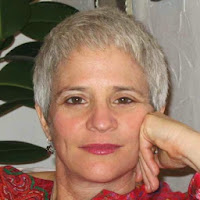
    photo of Alisa Maeir-Epstein
    by Alisa Maeir Epstein, Master Life Coach


    It is no secret that a leader is lonely at the top. The nonprofit director, the corporate executive, the chairman of the board, the army commander and the single parent experience true isolation, remoteness and separation from the rest of the pack. Even the singer and pop-culture "leader" Randy Newman writes in his song "Oh, It's Lonely at the Top".

    At first glance, it seems that most leaders spend their days surrounded by other people, many who respect or like them. So why are they lonely? Psychologists tell us that loneliness is a subjective perceived state. We are lonely when we experience ourselves as emotionally isolated no matter how many others we have around us. Leaders make tough decisions, determine the outcome of essential situations, influence the livelihood of employees and affect the lives of many other people. Mostly, this is executed alone without any collaborators and may leave her or him feeling profoundly lonely.

    Nonprofit leadership carries its own areas of expertise, rewards and challenges. It also has its own brand of loneliness and implications of this loneliness for the individual leader and the organization. Nonprofit directors are separated from the staff due to their topmost managerial responsibilities and from the Board of Directors due to their being an integral part of the staff as well as a paid functionary. They are also distant from the target population served – whom they are dedicated to and as a result might therefore have established the organization. This detachment from the field decreases the direct, visceral experience of the true meaning of their work.


    Photo credit: Mic445


    As I expounded in an earlier article, the organizational culture of the Nonprofit Sector sanctifies the needs of the serviced population and the devoted directors and staff do not allow themselves the luxury of deviating from THE CAUSE, even at the expense of their physical and mental wellbeing. They are highly vulnerable to burn out, often putting work ahead of their physical and mental health needs and above all other concerns.

    A lonely leader may suffer increasingly from stress leading to impaired general performance, poor judgment, strained interpersonal relationships and lack of vision. On the personal level, it can affect job-satisfaction, family life and physical and mental health.

    Besides increasing your awareness of the issue, how can you, a nonprofit leader, remedy the situation to your benefit and to the benefit of your organization? You might choose from the ideas below according to your circumstances and preferences:  
     
    1) Partner Support:
    Identify an appropriate colleague in a similar organizational position to pair with for mutual support meetings.  Maybe you know someone suitable with whom you already have a good rapport. Set periodic dates to meet and discuss problems regarding the issue of loneliness at the top. Perhaps once a month. You might have a weekly phone call during particularly stressful periods. It is highly recommended to choose an outsider from another nonprofit, one who is not in your organization. A colleague from your organization might have conflicting loyalties or agendas and might perceive some of your statements as "gossipy". A spouse, partner or other family member or friend would only be appropriate if they were professional colleagues in a similar position. It is very helpful to hear that others in leadership positions encounter similar problems and to learn how they cope with them. As well, you can brainstorm when it comes to new or complex situations.

    2) Group Support:
    Form a support group with or without a facilitator. Invite senior leadership of nonprofits to join you at set times, perhaps every six weeks. Be careful to determine specific agendas for the meetings so they will be focused and productive. Some ideas might be: the presentation of a case study for consideration by the members, analysis of an article read previously to the session (there are many on the Internet) or a guest speaker with a discussion following. The facilitator might be a group facilitator, a recommended coach or consultant, or one of the members who has experience in the area of group facilitation. Indeed, nonprofit leaders are swamped with work and might consider this just another meeting to attend and strain their energy and schedules.


    Photo credit see here

    If you are one of the organizers, emphasize how this forum will actually re-charge them and provide creative ways to utilize their already existing schedules to improve their overall situation and wellbeing, rendering them more effective and content at their workplace. Last but not least, form a digital group and communicate on relevant topics and challenges which arise between meetings.


    3) Life Coaching:
    Seek Life Coaching from a coach with experience in the nonprofit world, such as myself or some of my colleagues. As opposed to organizational coaching – which is very helpful at times – the agenda here would be strengthening yourself as a leader and dealing with leadership issues in your particular and personal circumstances. This is especially advantageous if you encounter challenges which are unique to your status, of a partially personal nature or strictly confidential. As well, you might be one of those people who prefer one-on-one consultations with a professional. There are varying styles of Life Coaching. Make sure you first meet with a potential coach to evaluate if their method, approach and ambiance are appropriate for you. Ask for references and discuss your agenda and expectations.

    Many organizations provide funding for such coaching since they benefit the organization greatly. A stressed and unsupported leader is not a good recipe for organizational success!


    Alisa Maeir-Epstein offers Life Coaching for senior nonprofit executives seeking to maximize their leadership and work effectiveness while maintaining balance among competing personal values.

    Email: alisa@israelgrants.com
    Telephone:
    In Israel: 0545-872-260
    From Abroad: 972-545-872-260